


Inflatable tent sample brief
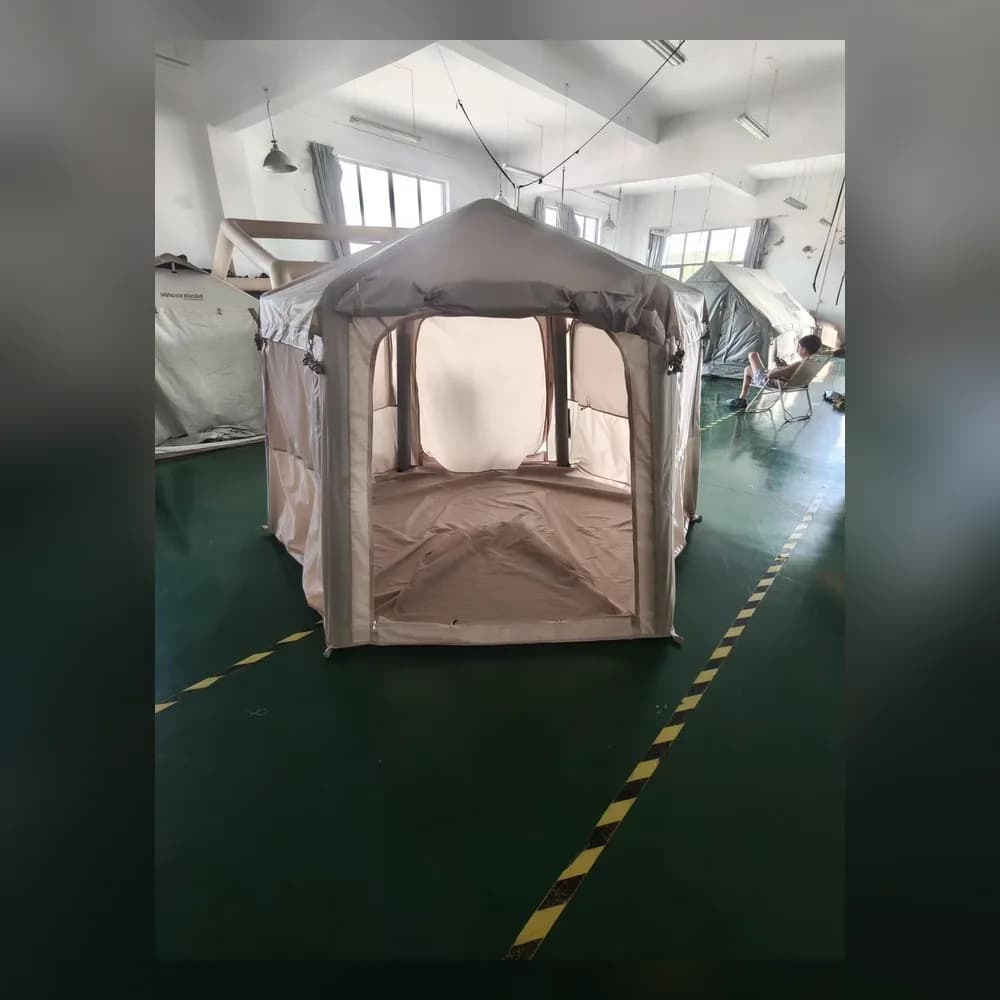
The customer asks to proceed with a 300D Oxford sample, a single door, no skylight and an accessory list, with shipment to Canada. The message requests assembled-tent photos and video after production.
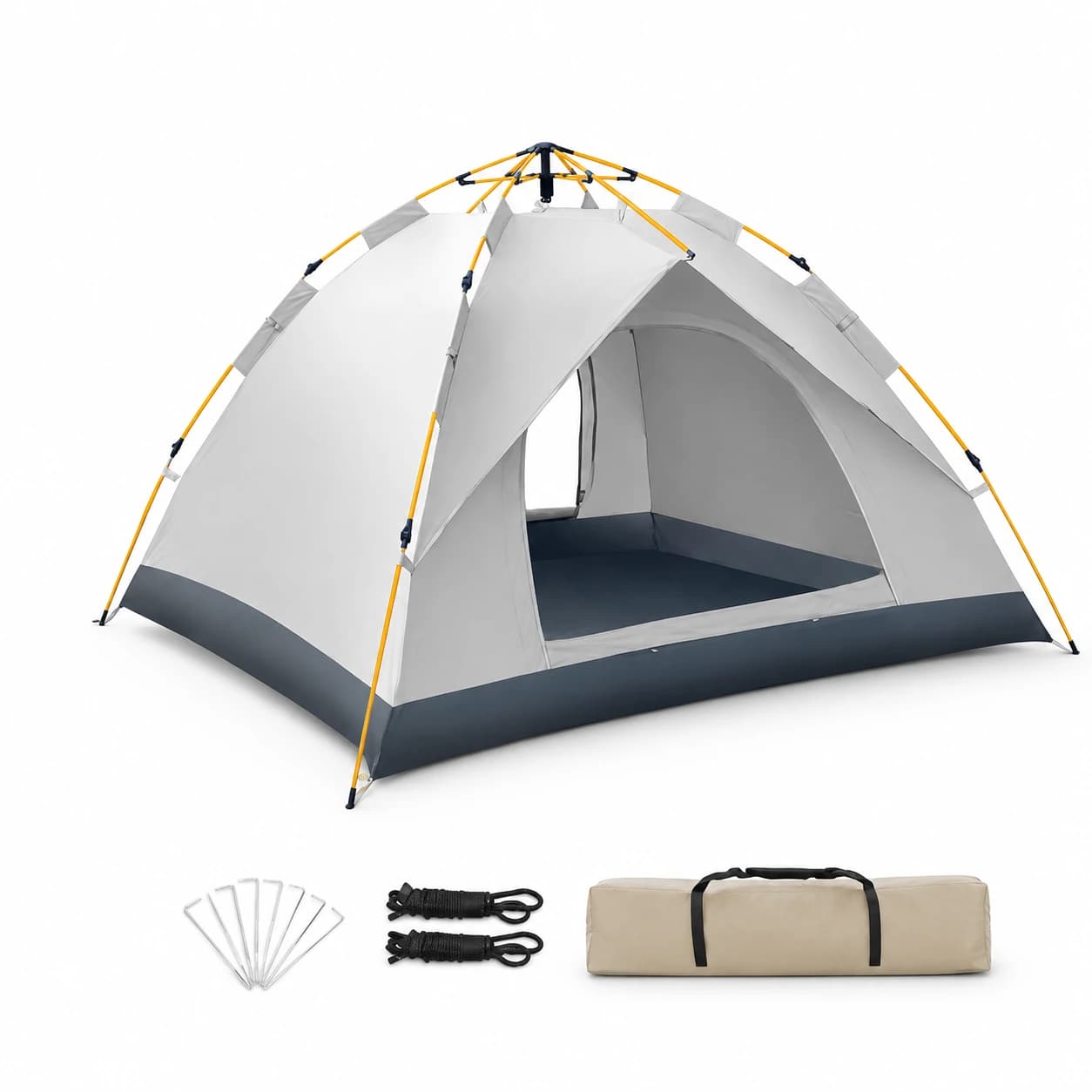 Instant Tents
Wholesale fromUSD 14.28 per unit50–500 units · EXW
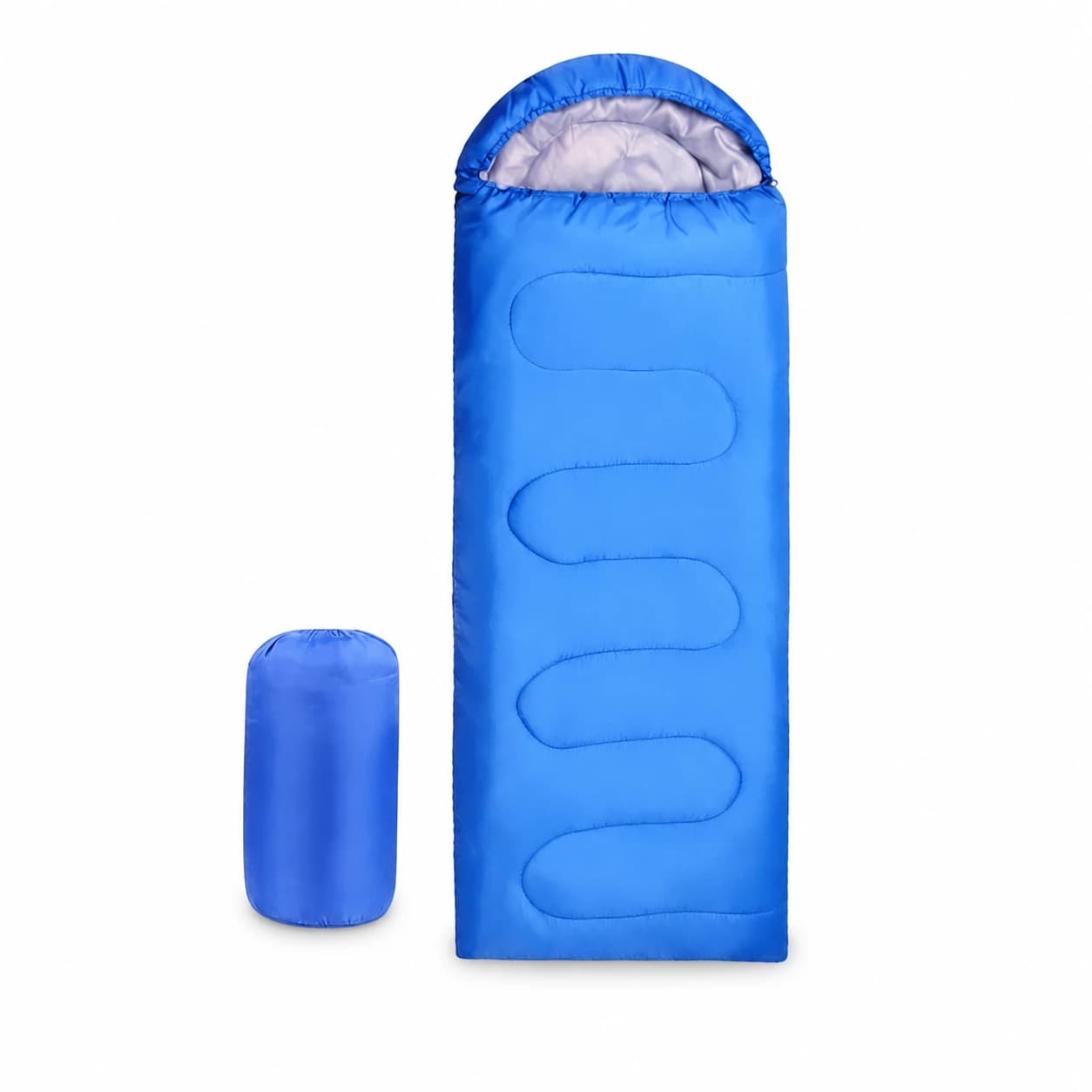 Sleeping Bags
Wholesale fromUSD 7.74 per unit50–500 units · EXW
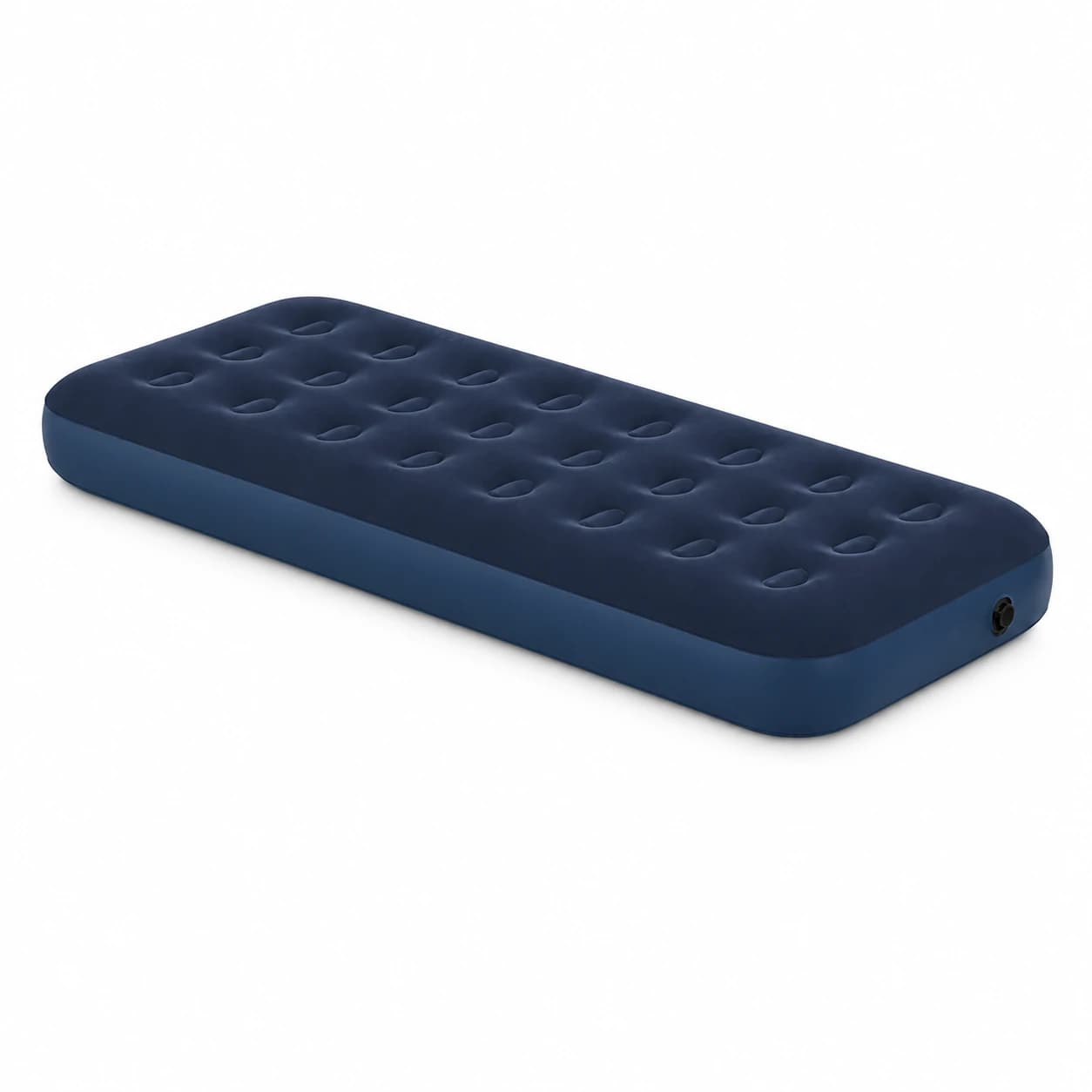 Inflatable Air Beds
Wholesale fromUSD 9.75 per unit50–500 units · EXW
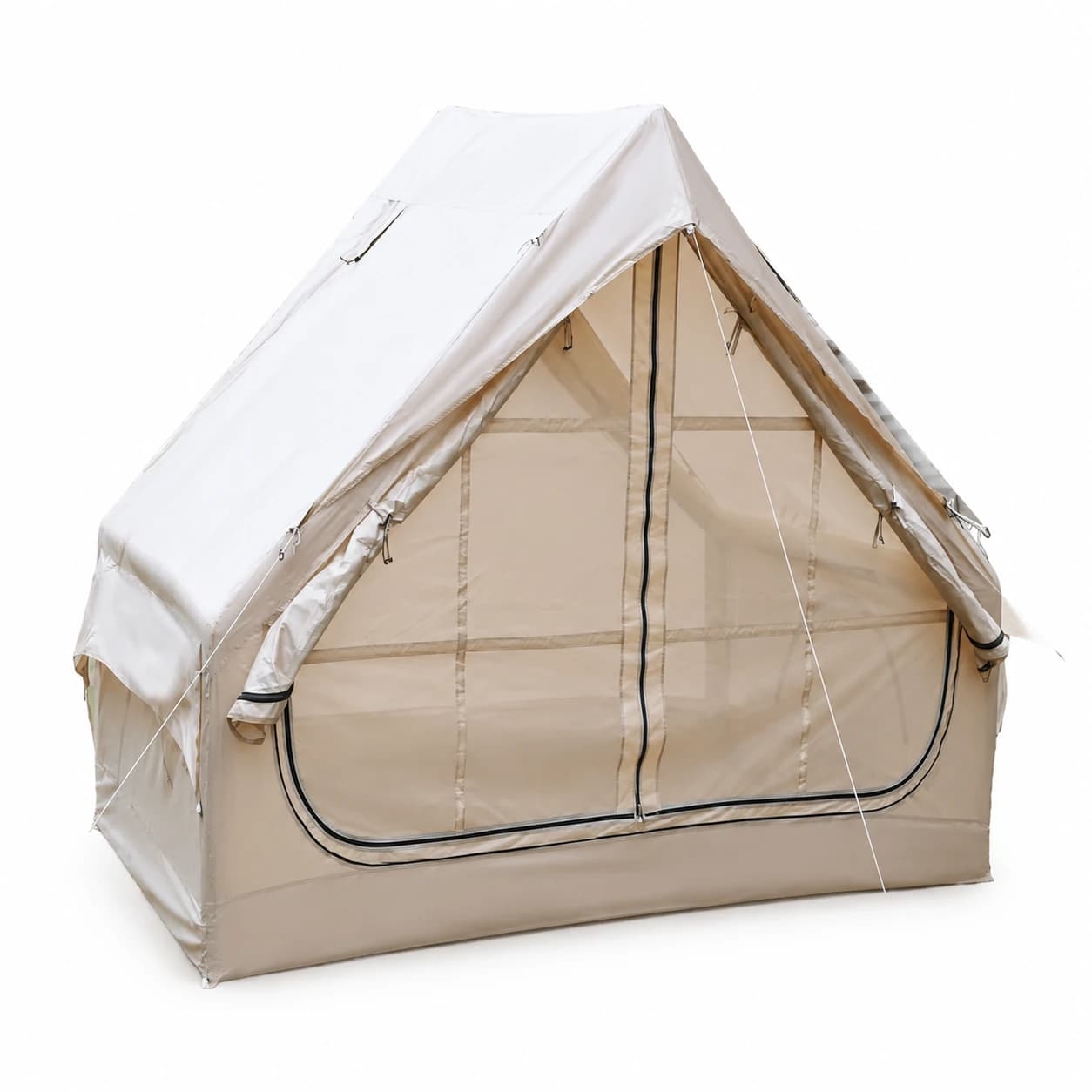 Glamping Tents
Wholesale fromUSD 134.40 per unit50–500 units · EXW
A closer look at sample requirements, material questions and buyer confirmations.
The customer asks to proceed with a 300D Oxford sample, a single door, no skylight and an accessory list, with shipment to Canada. The message requests assembled-tent photos and video after production.
A retail buyer asks about seat and frame materials, then requests that the folding-chair sample be held for a buyer meeting. The exchange records a reservation.
The buyer discusses a 3 × 3 m tarp, sun protection and included poles and guy lines. A sample is requested for review; tracking is to follow dispatch.
The customer checks taped seams, hood, cuffs and colours, then requests one navy size M jacket for testing. The conversation records the selected sample and planned shipment.
A buyer from Sydney discusses a 45 L backpack, its main fabric, reinforced base, hip belt and rain cover. The buyer approves the sample; the pro forma invoice is a later step.
The buyer checks the fabric and waterproof specification of a four-person tunnel tent and asks to retain the sample specification for the order. The seller confirms a further update before mass production.
Shared by Seawing from customer WhatsApp communications. Each excerpt records the sample discussion shown. Specifications and prices refer to that discussion; agree current requirements and a quotation for your own order.
Start with a published product record, compare the listed images and specifications, and add the closest tent, camping or outdoor-accessory reference to your enquiry.
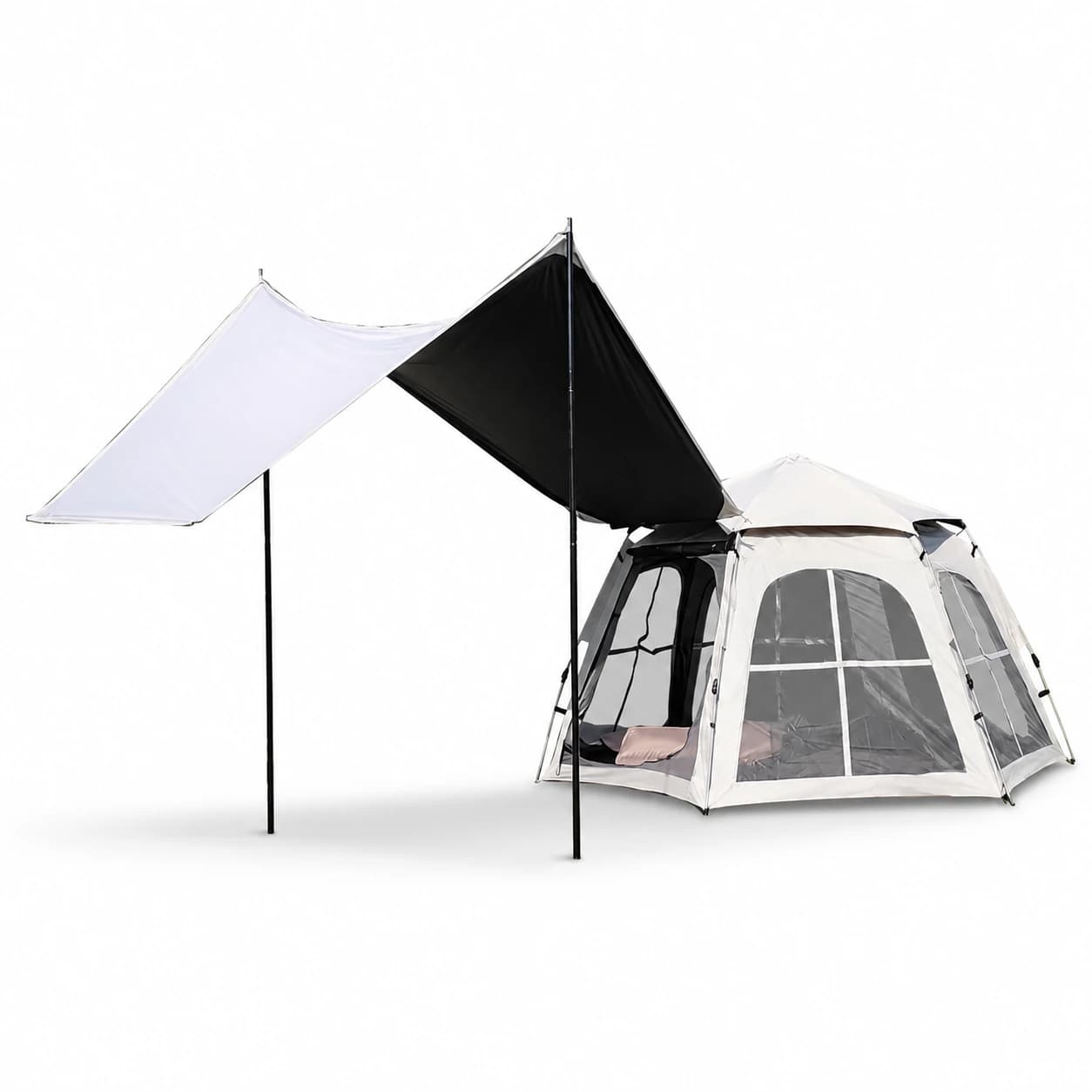
Wholesale fromUSD 42.84 per unit50–500 units · EXW
Specifications & options ↗Wholesale fromUSD 14.28 per unit50–500 units · EXW
Specifications & options ↗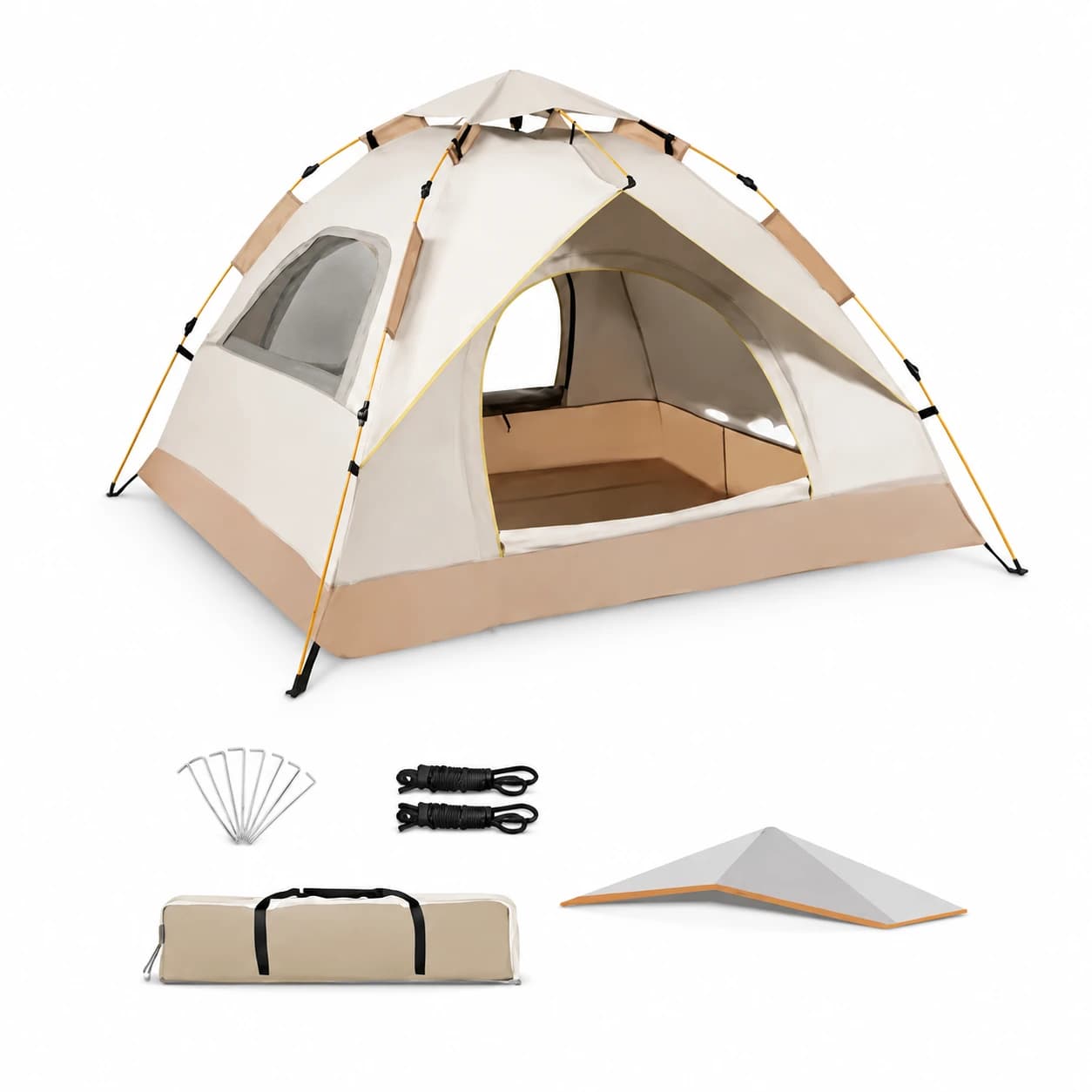
Wholesale fromUSD 16.38 per unit50–500 units · EXW
Specifications & options ↗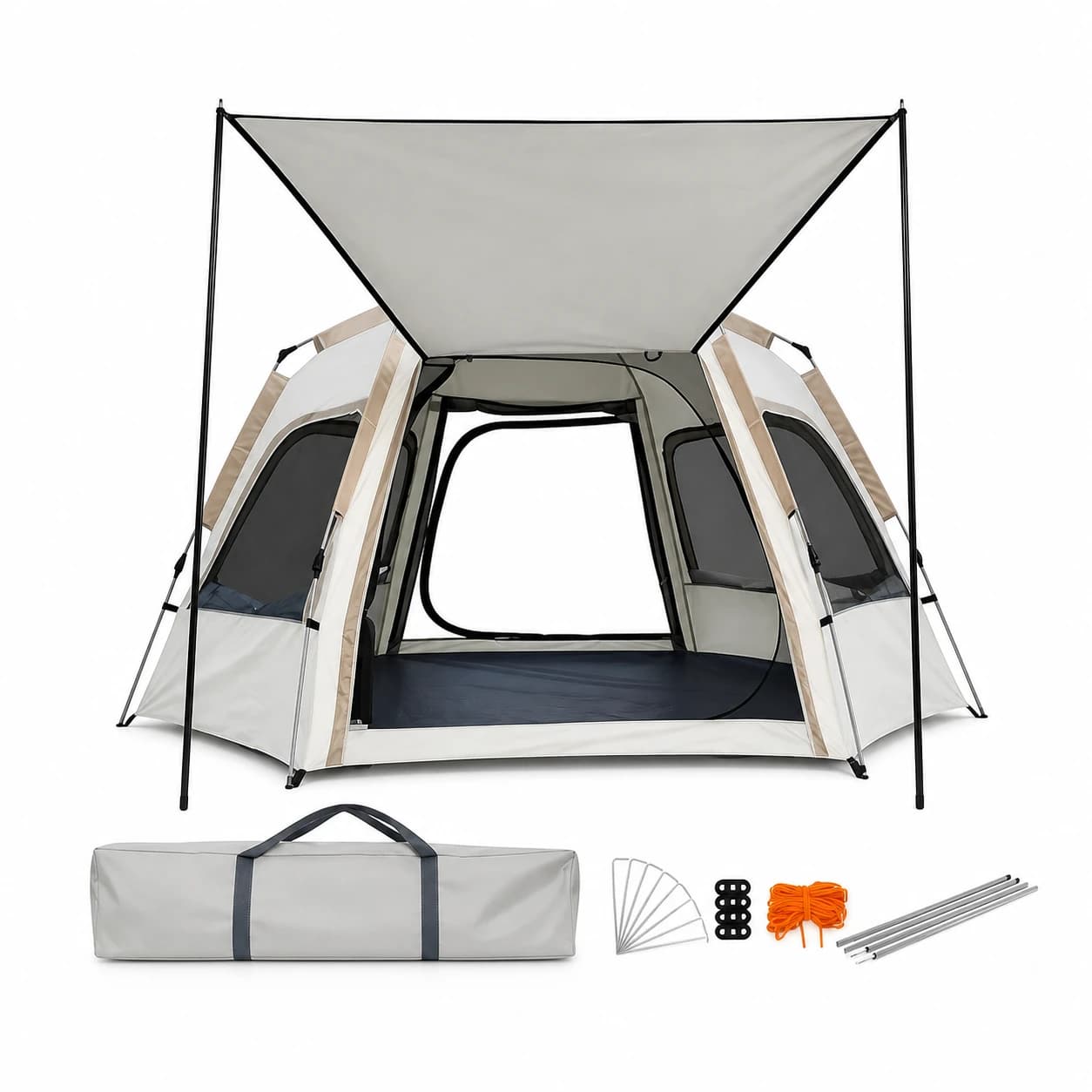
Wholesale fromUSD 27.51 per unit50–500 units · EXW
Specifications & options ↗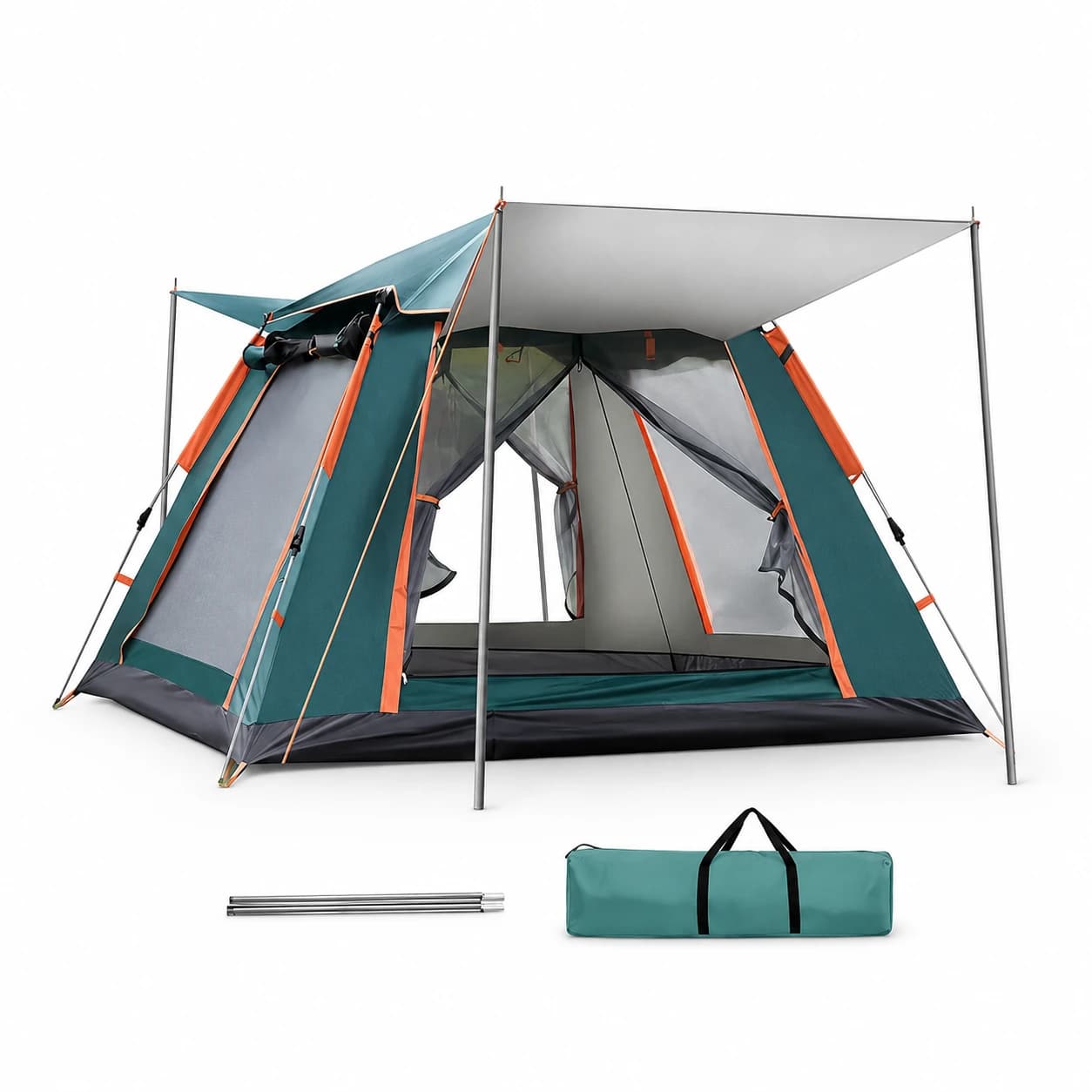
Wholesale fromUSD 23.52 per unit50–500 units · EXW
Specifications & options ↗Wholesale fromUSD 7.74 per unit50–500 units · EXW
Specifications & options ↗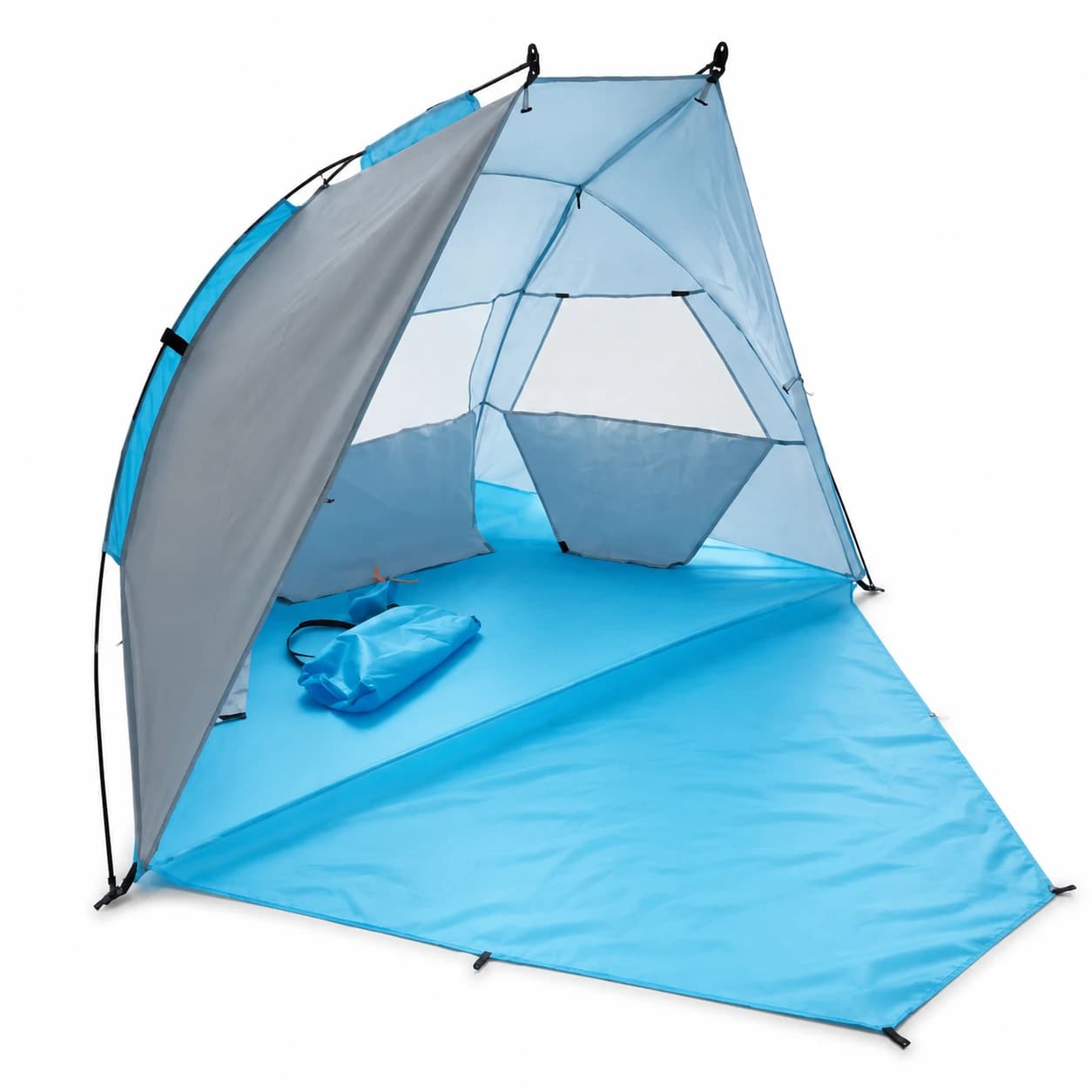
Wholesale fromUSD 15.33 per unit50–500 units · EXW
Specifications & options ↗Wholesale fromUSD 134.40 per unit50–500 units · EXW
Specifications & options ↗Select by tent layout, cookware contents, pack capacity or garment size. The individual product record keeps those decisions linked to one SKU and version.
Compare the published images, dimensions and materials. Save the references that fit your range.
Add quantities, destination, intended use and any branding or packaging requirements.
Send your enquiry for a product-specific discussion of specifications and commercial terms.
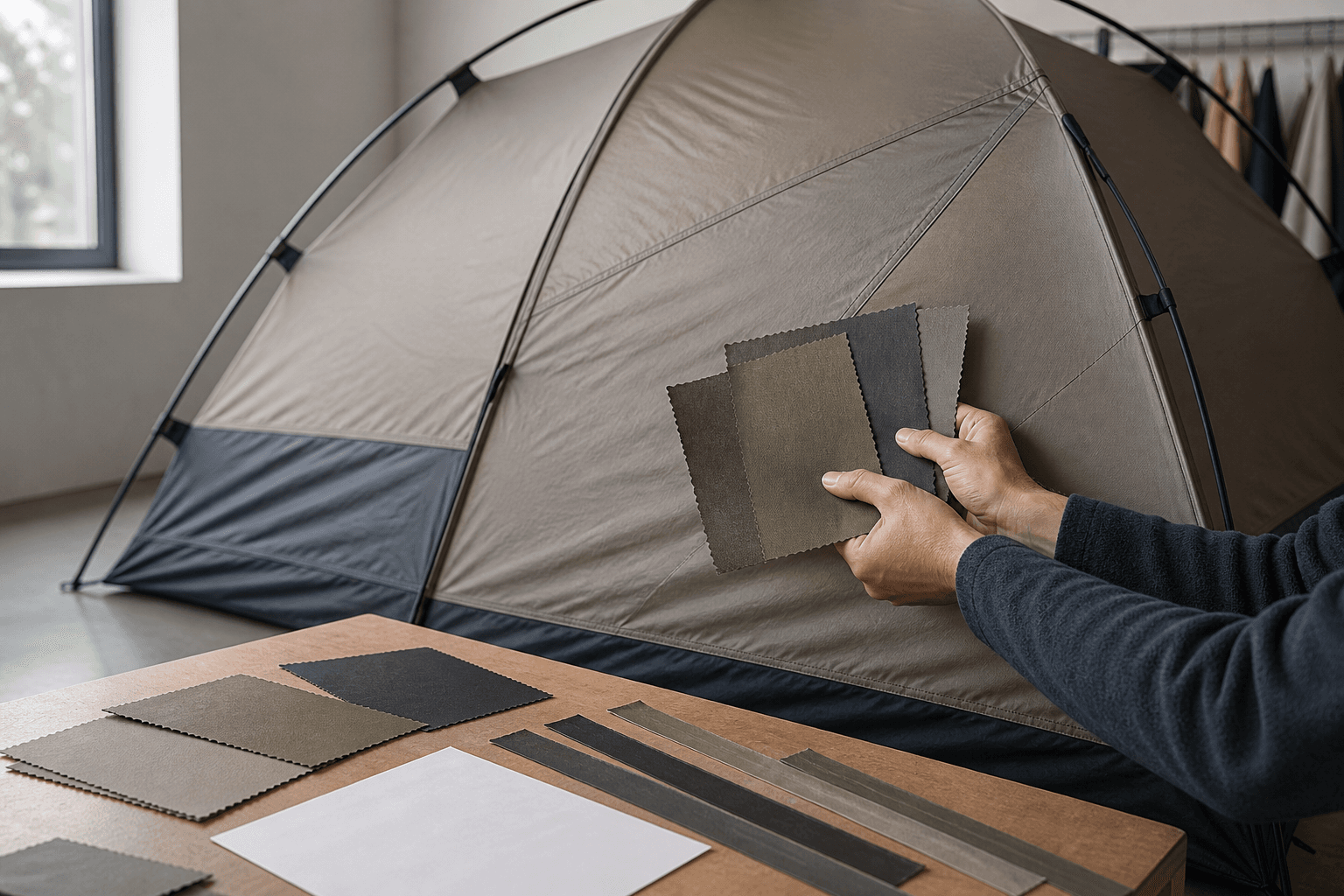
Read a tent fabric specification as a linked set of fields: fibre and fabric construction, denier or mass, coating type and side, test method and result, seam construction, tape or seal, and the exact tent component covered.

Compare LCL and FCL for an outdoor gear order by documenting cartons, dimensions, gross weight, volume, loading limits, route, destination and Incoterm, then asking forwarders to quote the same service boundary.
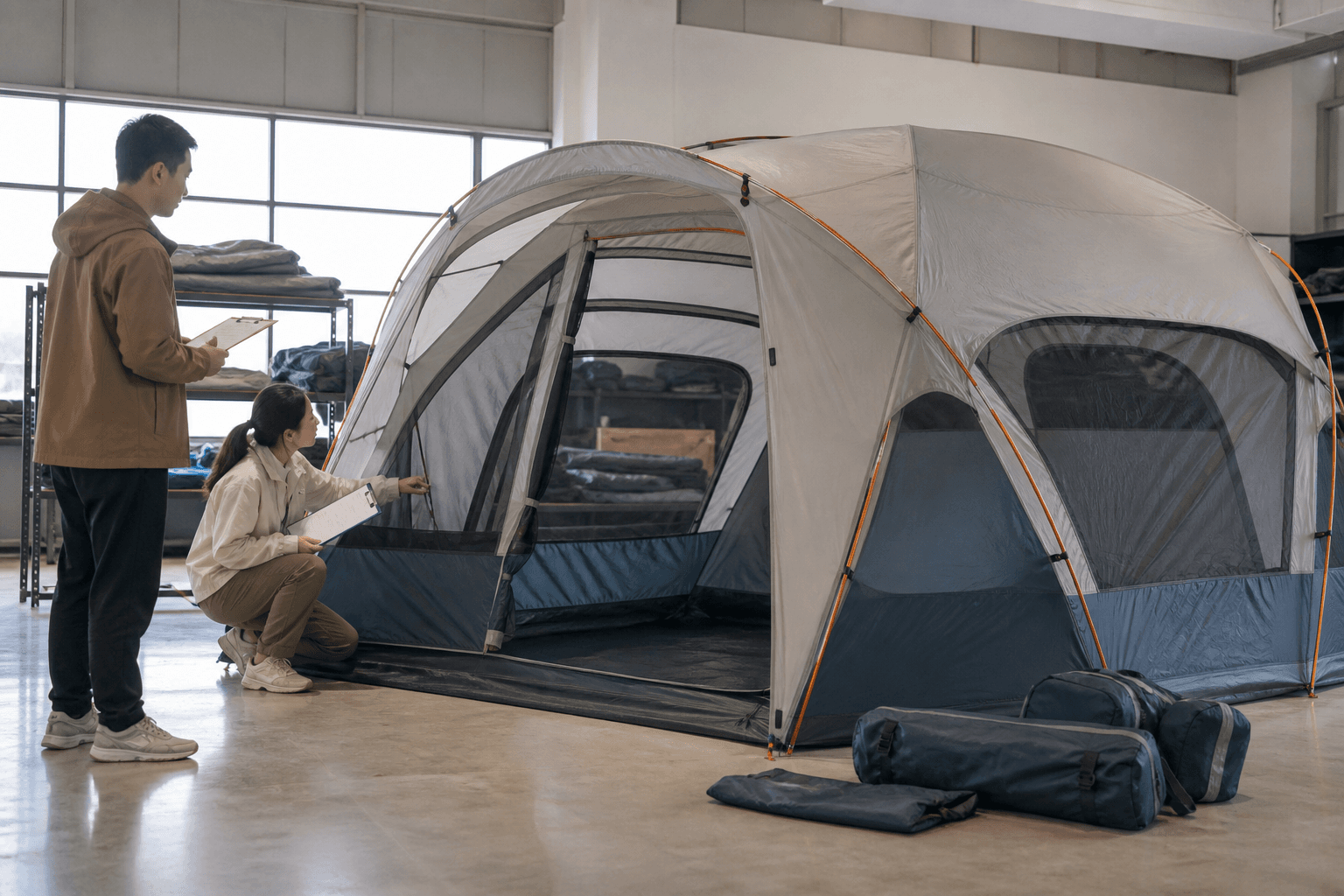
A camping tent QC checklist should connect the approved sample, written specification, inspection stage, responsible party and release evidence.
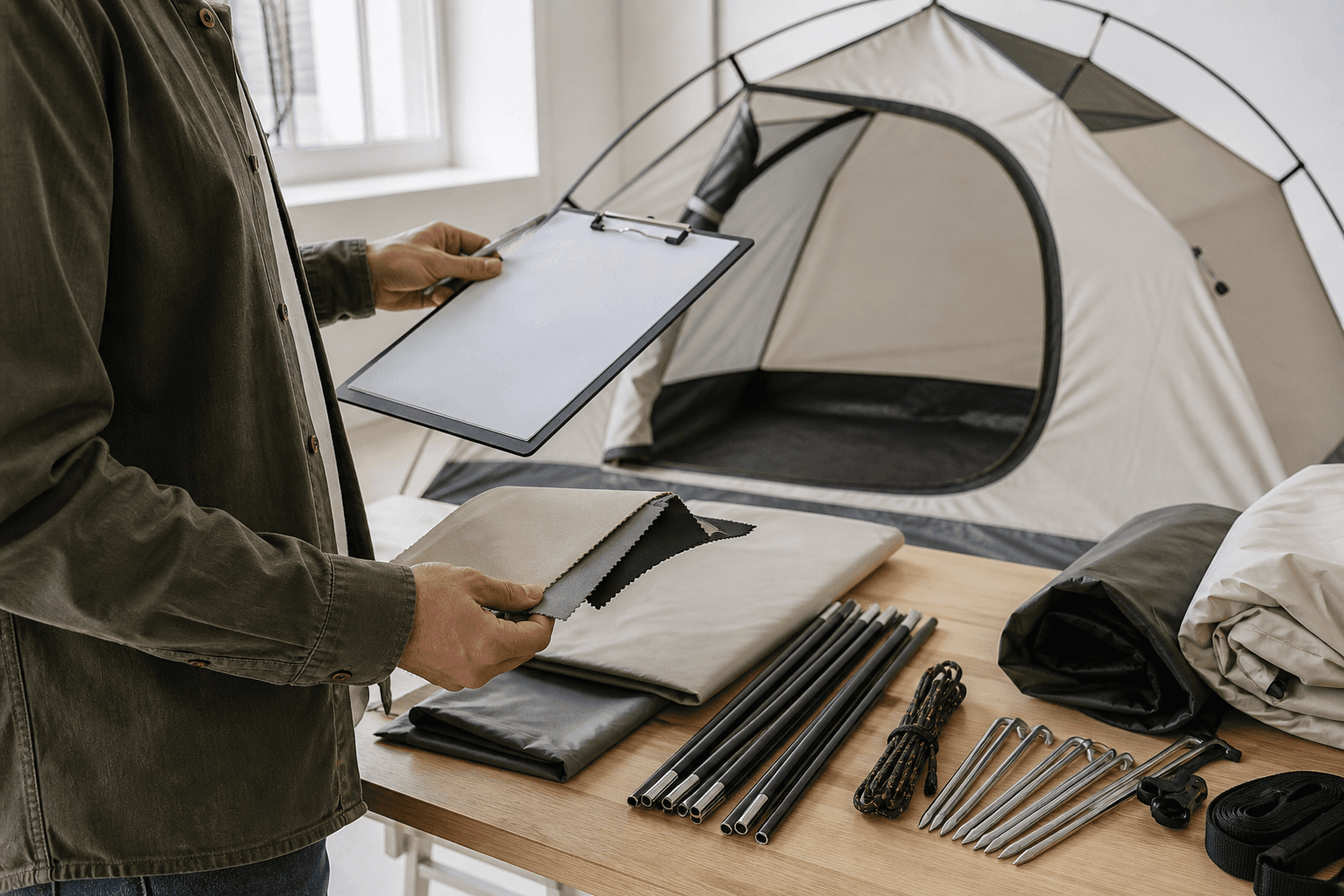
Choose a wholesale tent supplier by first defining the product and market brief, then asking every candidate for the same sample, specification, evidence, packaging, commercial and responsibility inputs.
Match the published product record to your chosen version. Request the relevant specification, sample and supporting documents before confirming an order.
Outdoor retailers, distributors and procurement teams can compare published product references across camping, beach, hiking and sleep categories, then turn the shortlist into a focused B2B enquiry.
Compare product families by customer use, shelf role and visible product specifications.
Build a market-facing assortment around published construction, dimensions and included items.
Shortlist exact product references and document the intended use, quantity, market and required specification.
Open the closest product page, review its published details and send the reference with your intended use, target market, estimated quantity and required specification.
Yes. List each product name or link so the request remains tied to the published catalog.
Compare the fields published on each page, such as construction, dimensions, materials, colour, capacity and included items.
Compare wholesale camping tents, camp kitchen sets and hiking gear by model. Use the same quantity, packaging and destination when asking suppliers for prices.
Seawing is an outdoor gear supplier in China for retailers and distributors. Compare wholesale camping tents, cookware, backpacks and accessories by model, then request a quote.
Each photo identifies the named catalog reference. These are separate products, not a bundled set or evidence of a completed customer project.
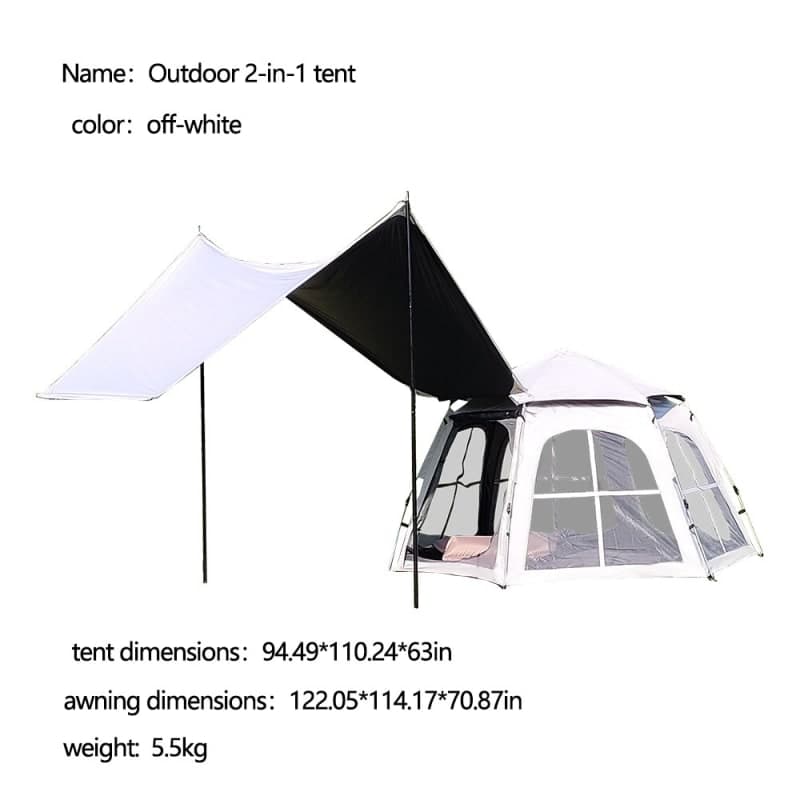
SKU 17: Unfolded size: Tent: 280 × 240 × 160 cm Awning: 310 × 290 × 180 cm; Net weight: 4 kg; Total weight with accessories: 5.5 kg
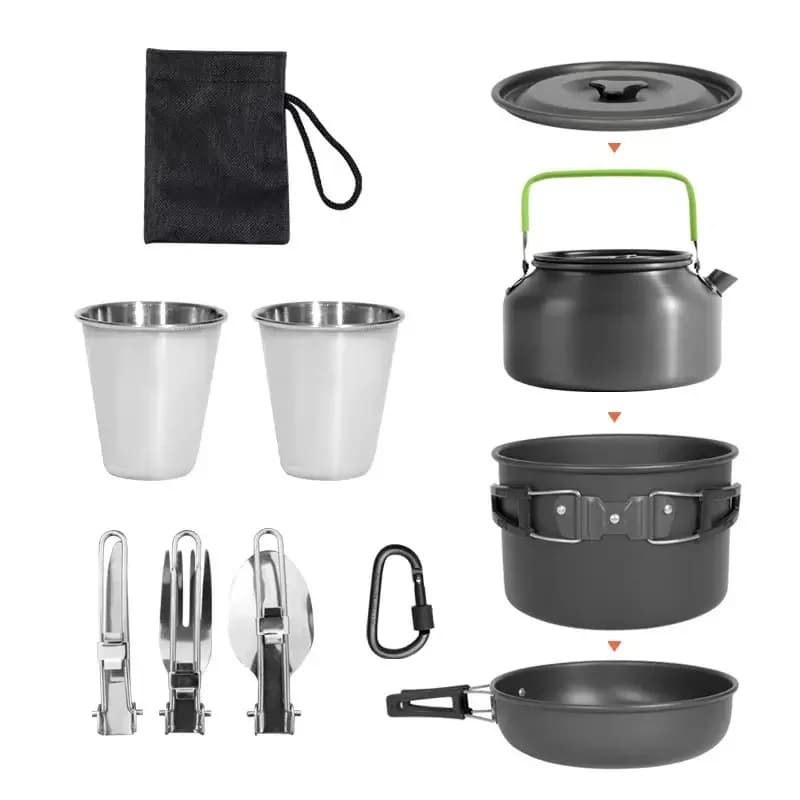
The DS-308 cookware reference lists aluminium-alloy cookware, ABS handles and a 600 g reference weight. Its kettle is specifically listed as 0.8 L, 14 cm in diameter and 8.5 cm high. Keep that volume attached to the kettle, not every vessel in the set. Use an itemised contents list to reconcile the eight-piece name with the pieces selected for your order.
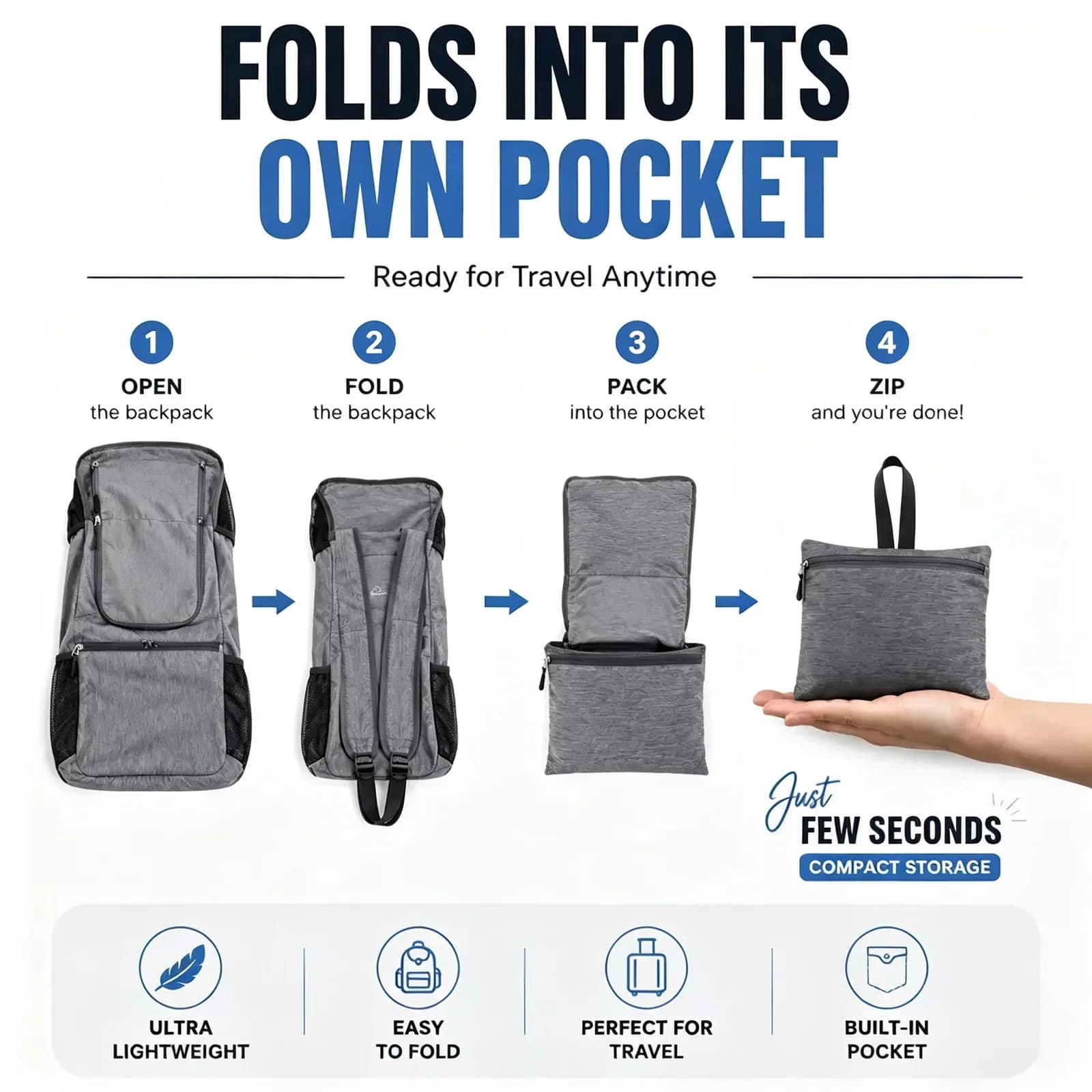
The 20 L daypack is listed at 230 g, with expanded dimensions of 46.5 × 26.5 × 9.5 cm and packed dimensions of 20 × 18 × 6 cm. Its fold-to-pocket format is a practical distinction from the other backpacks. The published litre capacity should stay as stated; multiplying the exterior dimensions of a flexible bag is not a substitute capacity measurement.
| Product reference | Catalog specifications |
|---|---|
| 2-in-1 Hexagonal Camping Tent with Awning | 280 × 240 cm |
|
| 8-Piece Camping Cookware Set | 600 g Nesting Outdoor Cooking Kit |
|
| Packable 20 L Daypack | 230 g Water-Resistant Travel Backpack |
|
Keep one specification sheet for each shortlisted version. Put the product URL, size, colour and dated photographs at the top, then distinguish published facts from requested changes. If the brief combines a tent, a cooking item and clothing, give each its own line and quantity. Their dimensions, materials and accessories describe different things and should not be merged into a single specification. For example, a tent’s packed length is a storage measurement, a kettle’s external dimensions do not state its usable capacity, and backpack litres do not describe torso fit. When a field is absent, leave it marked for confirmation instead of borrowing a value from a visually similar item. Before comparing quotations, check that they refer to the same version and supply scope. Record any substitutions explicitly, including the affected component, colour or packaging. This makes later sample review more useful: the reviewer can compare an identified item against a written requirement instead of trying to reconstruct a decision from a photo and a price.
Seawing is an outdoor gear supplier in China for retailers and distributors. Compare wholesale camping tents, cookware, backpacks and accessories by model, then request a quote.
SKU 17: Unfolded size: Tent: 280 × 240 × 160 cm Awning: 310 × 290 × 180 cm; Net weight: 4 kg; Total weight with accessories: 5.5 kg
The DS-308 cookware reference lists aluminium-alloy cookware, ABS handles and a 600 g reference weight. Its kettle is specifically listed as 0.8 L, 14 cm in diameter and 8.5 cm high. Keep that volume attached to the kettle, not every vessel in the set. Use an itemised contents list to reconcile the eight-piece name with the pieces selected for your order.
The 20 L daypack is listed at 230 g, with expanded dimensions of 46.5 × 26.5 × 9.5 cm and packed dimensions of 20 × 18 × 6 cm. Its fold-to-pocket format is a practical distinction from the other backpacks. The published litre capacity should stay as stated; multiplying the exterior dimensions of a flexible bag is not a substitute capacity measurement.
Keep one specification sheet for each shortlisted version. Put the product URL, size, colour and dated photographs at the top, then distinguish published facts from requested changes. If the brief combines a tent, a cooking item and clothing, give each its own line and quantity. Their dimensions, materials and accessories describe different things and should not be merged into a single specification. For example, a tent’s packed length is a storage measurement, a kettle’s external dimensions do not state its usable capacity, and backpack litres do not describe torso fit. When a field is absent, leave it marked for confirmation instead of borrowing a value from a visually similar item. Before comparing quotations, check that they refer to the same version and supply scope. Record any substitutions explicitly, including the affected component, colour or packaging. This makes later sample review more useful: the reviewer can compare an identified item against a written requirement instead of trying to reconstruct a decision from a photo and a price.